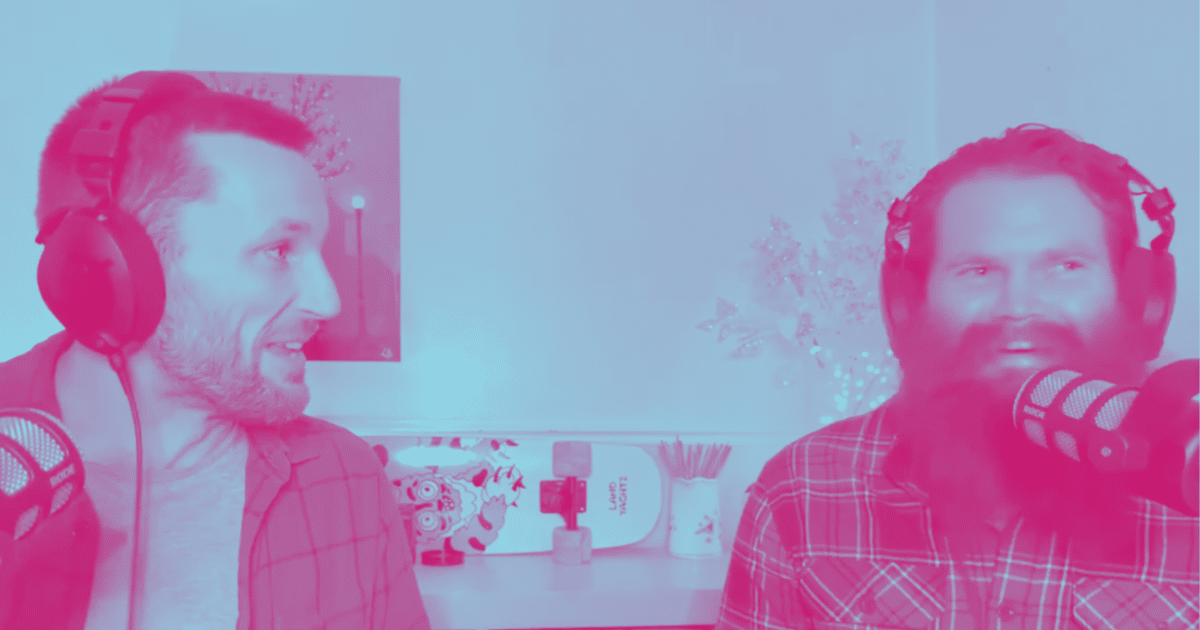
In this conversation, head BJJ coach, Callum interviews Vinny, a dedicated Jiu-Jitsu practitioner, about his journey into the sport, the impact it has had on his life, and how it has played a significant role in his sobriety. They discuss the challenges of training at an older age, the importance of community in Jiu-Jitsu, and the personal growth that comes from grappling. Vinny shares insights on maintaining motivation, the physical demands of the sport, and the camaraderie that develops among practitioners. The conversation also touches on quick-fire questions that reveal personal preferences and experiences in Jiu-Jitsu.
How Jiu-Jitsu Supports Personal Growth, Mental Health, and Recovery
For many people, Brazilian Jiu-Jitsu starts as a martial art.
For others, it becomes something much bigger.
At RGA Marlow, we see Jiu-Jitsu not just as a physical discipline, but as a powerful tool for personal growth, mental health, and long-term change. Whether someone is navigating sobriety, rebuilding confidence, or simply looking for a healthier way to challenge themselves, Jiu-Jitsu has a way of meeting people where they are.
More Than a Martial Art
Brazilian Jiu-Jitsu is often described as “physical chess”, but that undersells its impact. Yes, it’s a highly technical martial art focused on leverage, control, and problem-solving. But beneath the surface, it asks something deeper of you.
You are required to:
- Stay calm under pressure
- Accept discomfort without panic
- Solve problems while tired
- Learn from failure, repeatedly
Those lessons extend far beyond the mat.
Many members come to training looking to get fitter or learn self-defence. What they discover is a system that quietly reshapes how they deal with stress, setbacks, and their own internal dialogue.
Physical Challenges That Build Mental Strength
Jiu-Jitsu is demanding. There’s no way around that.
Training involves close contact, intense physical challenges, and moments where quitting would feel easier than continuing. But it’s precisely this controlled difficulty that makes it so effective for mental health.
Each session provides:
- A safe outlet for stress and frustration
- A structured challenge with clear progression
- Physical exertion that supports emotional regulation
Unlike many forms of exercise, Jiu-Jitsu requires presence. You can’t ruminate on your day when someone is trying to pass your guard. For many people dealing with anxiety, low mood, or burnout, that enforced focus becomes a form of moving meditation.
Jiu-Jitsu and Addiction Recovery
One of the most powerful transformations we see comes from people in addiction recovery or pursuing sobriety.
Recovery often leaves a gap. Old habits are removed, but new, healthy structures aren’t always in place. Jiu-Jitsu can help fill that space.
It offers:
- Routine and accountability
- A clear sense of progress
- Dopamine through effort, not substances
- A community that values consistency and honesty
Training creates a reason to sleep better, eat better, and show up for yourself. It also reframes discomfort. Instead of something to escape, discomfort becomes something you learn to manage and overcome.
Many people find that Jiu-Jitsu gives them back a sense of agency over their body and mind – something addiction often strips away.
The Power of Community and Friendship
One of the most underestimated aspects of martial arts is community.
Jiu-Jitsu is individual in execution but collective in growth. You cannot train alone for long. You rely on training partners, coaches, and the shared culture of the gym.
At RGA Marlow, friendships form naturally through:
- Shared effort and mutual respect
- Trust built through safe training
- Encouragement during tough sessions
For people who feel isolated, disconnected, or out of sync with traditional fitness environments, this sense of belonging matters. You’re not judged on how you look, what you do for a living, or where you’re coming from. You’re judged on effort, attitude, and how you treat others.
That creates a rare kind of environment – supportive without being performative.
Personal Growth Through Consistency
Progress in Jiu-Jitsu is slow by design. There are no shortcuts.
You tap. You learn. You return.
Over time, this builds resilience and humility. You learn that failure isn’t a verdict, it’s feedback. That mindset carries over into work, relationships, and personal goals.
People often report:
- Improved confidence without ego
- Better emotional control under pressure
- Greater patience with themselves and others
This is personal growth earned through experience, not motivation quotes.
Training for Mental Health, Not Perfection
Jiu-Jitsu doesn’t promise to fix everything. What it offers is something more realistic – a framework for showing up, even on bad days.
Some days training feels effortless. Other days it’s heavy, frustrating, or uncomfortable. Learning to train through both mirrors real life.
For mental health, that consistency is powerful. You don’t need to feel “ready” to train. You just need to turn up. Over time, the act of showing up becomes a stabilising force.
Why RGA Marlow?
RGA Marlow is built on the belief that Jiu-Jitsu should be challenging, respectful, and welcoming. Whether you’re completely new to martial arts or returning after time away, you’ll find an environment that values progress over perfection.
We train hard, but we look after each other.
If you’re looking for:
- A physical challenge with depth
- A supportive training community
- A healthier outlet for stress
- A positive structure to support sobriety or recovery
Jiu-Jitsu may be worth exploring.
And if you’re curious, the best way to understand it is simple.
Come and train.